Sustainable natural resources: how do you reap the benefits?
Sustainable natural resources: how do you reap the benefits?
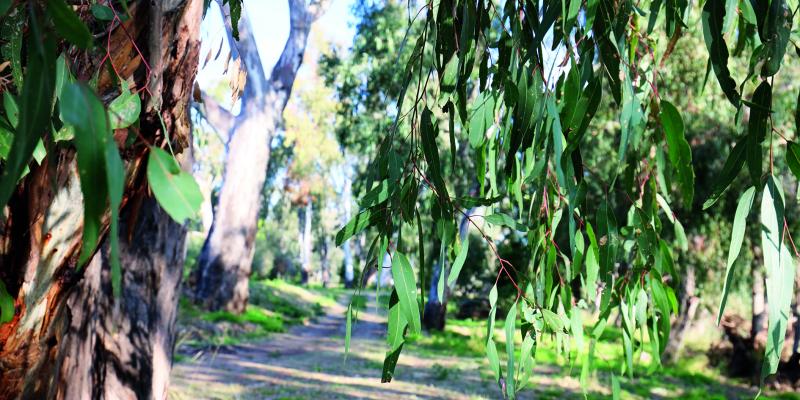
Natural areas on and around cotton farms can provide real benefits to your farming system. These areas support a range of ecosystem services that can help productivity and long-term sustainability.
For example, native vegetation can provide year-round habitat for beneficial insects, helping build populations of natural predators and parasites that assist with pest control in nearby cotton fields, particularly early in the season.
A diverse mix of vegetation can also act as a refuge for cotton pests that haven't been exposed to Bt cotton or insecticides. These susceptible insects can mix with resistant populations, helping to slow the development of pest resistance over time.
Healthy riparian areas along waterways offer additional benefits. Vegetation and soils in these areas can store significant amounts of carbon, while also improving nutrient cycling, supporting soil health, and helping maintain healthy farm landscapes.
Healthy landscapes
Improving the health of individual stands of natural vegetation and linking them together on your farm and across the district, will improve the numbers and diversity of plants and animals on your farm (including beneficial insects, bats and birds), which provide natural pest control.
Complex vegetation has many layers (trees, shrubs, grasses and herbs) and a range of different plant species in each layer. Loss of groundcover and species diversity favours the establishment of weeds. Many of the annual broadleaf weeds in cropping systems, such as marshmallow weed, milk thistle and bladder ketmia, are better hosts for pests than beneficial. Some weed species also host viruses.
The most effective natural pest control is gained from well-connected areas of native vegetation located near the crop. Native vegetation corridors between remnant patches of bushland, facilitate the dispersal of beneficial insects through the landscape and provide habitat when crops aren’t present.
Healthy rivers
The riparian zone is an important feature on many farms, and within cotton landscapes, helping to maintain water quality and protect aquatic habitats.
Most irrigation farms growing cotton are designed to retain some storm water runoff on the farm. In addition to the value of the water, this attribute of farm design significantly reduces risks to the environment from pesticide residues.
Vegetating distances of 100-200 metres of channel can link habitats for insect movement, reduce erosion risk and protect the environment beyond your farm from pesticide residues.
Riverine environments also provide important recreation areas for cotton communities.
Healthy soils
Maintaining healthy soils reduces the risk of costly soil repair work, saving time and money over the long term. Maintaining ground cover in non-cropped areas of the farm can improve soil biology, structure and carbon and reduce the risk of erosion, sodicity and salinity.
Water quality
By regularly monitoring water quality and keeping records of test results, a baseline condition can be established so that trends or changes in water quality or level can be addressed.
As a minimum, tests should be done for pH, electrical conductivity (EC), and sodium absorption ratio (SAR). A wide range of baseline water quality parameters such as hardness, turbidity, nutrients, nitrates, organics and trace metals can also be assessed.
Implementing water use efficiency practices that minimise the time available for infiltration in furrow systems, especially early in the season, reduces the risk of deep drainage and potential leaching of chemicals and salts into underlying groundwater systems.
Stay updated with our latest industry news
Stay updated with our latest publications